Illegal Wildlife Trade
Introduction
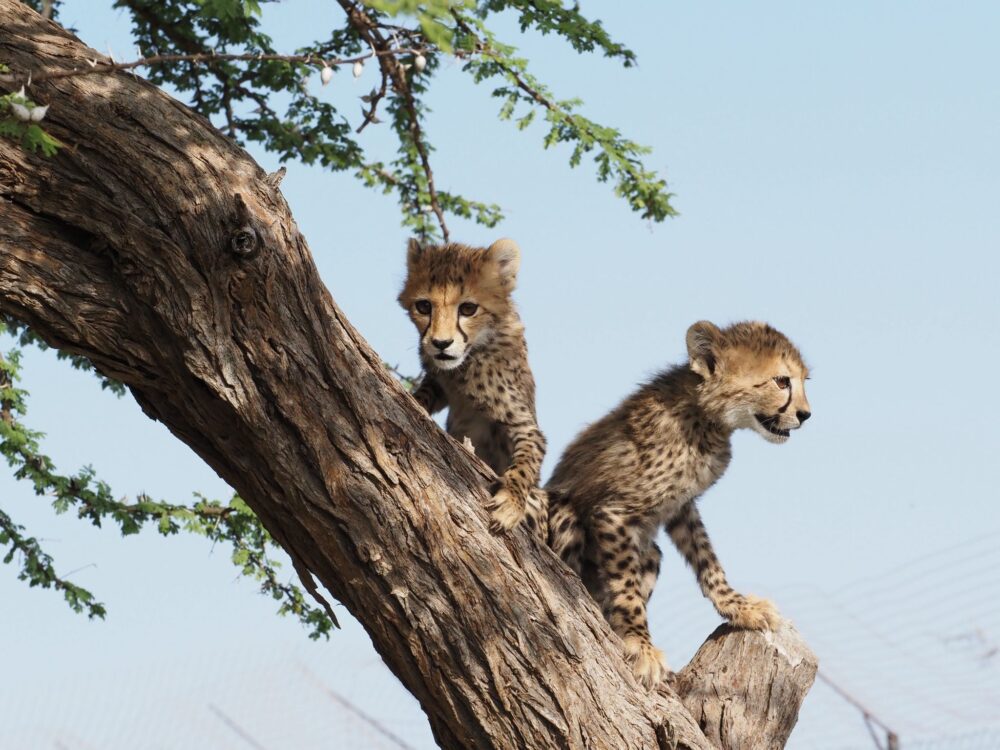
The cheetah, the world’s fastest land animal and a symbol of Africa’s wilderness, faces a dire threat — illegal wildlife trade. Young cheetah cubs are targeted by traffickers and often sold as exotic pets. This trade is decimating wild populations, pushing the species closer to extinction.
The Horn of Africa has become a hub for the trafficking of cheetah cubs. Each year, an estimated 300 cubs are illegally snatched from across the landscapes, taken from their mothers in Ethiopia, Northern Kenya and Somalia/Somaliland.
A Brief History
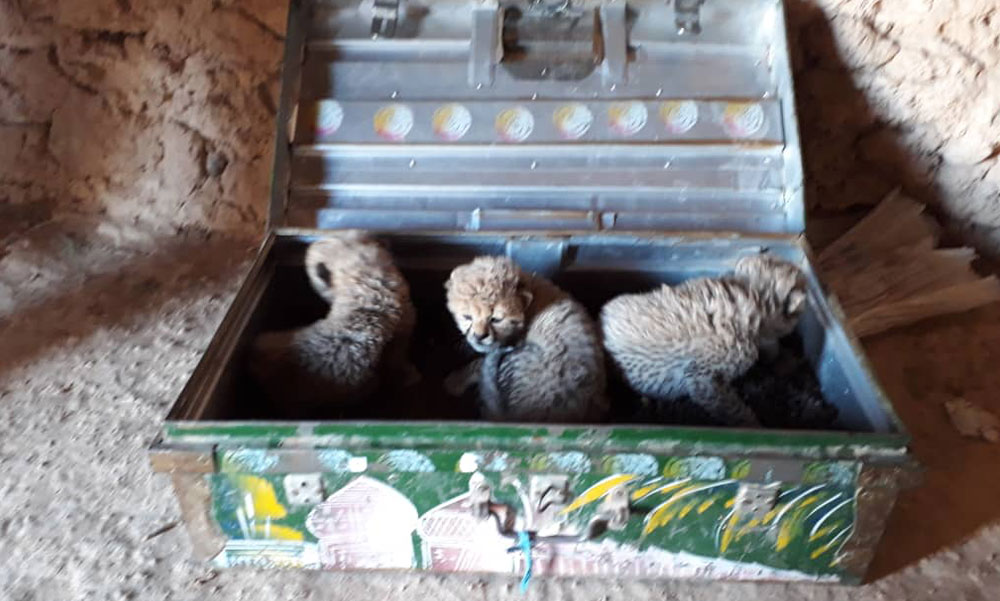
The illegal trade of cheetah cubs has roots in demand from regions like the Middle East and parts of Africa, where owning a cheetah as an exotic pet is seen as a status symbol. Traffickers often poach cubs from their mothers or capture them from overhunted or insecure habitats. Highly malnourished and stressed, many cubs do not survive the journey or are placed in unsuitable environments, worsening their chances of survival.
Over the past two decades, international efforts have increased to combat this illegal trade, but it remains a significant conservation challenge. The Cheetah Conservation Fund (CCF) has taken a leadership role, working with many stakeholders, to care for the rescued cheetah cubs and build a holistic conservation approach with local authorities, including governance, research, community engagement and education, land conservation and economic security for the region.
CCF Involvement
In 2011, CCF began working with government officials in Somaliland to help ensure care of cheetah recovered by wildlife officers and arrange their transfer to sanctuaries in Ethiopia or Djibouti.
By 2016, in partnership with the Somaliland Ministry of Environment and Climate Change (MoECC), the CCF established safe houses in Hargeisa, Somaliland to address the increasing number of confiscated cheetah cubs from the illegal wildlife trade.
Dr. Laurie Marker recognized that the facilities at Hargeisa, while able to provide an important measure of emergency care and housing for cheetah cubs that were confiscated from the traffickers, were bursting at the seams, and a comprehensive resource for the long-term care of the cheetahs was needed.
Establishing The Cheetah Rescue & Conservation Centre
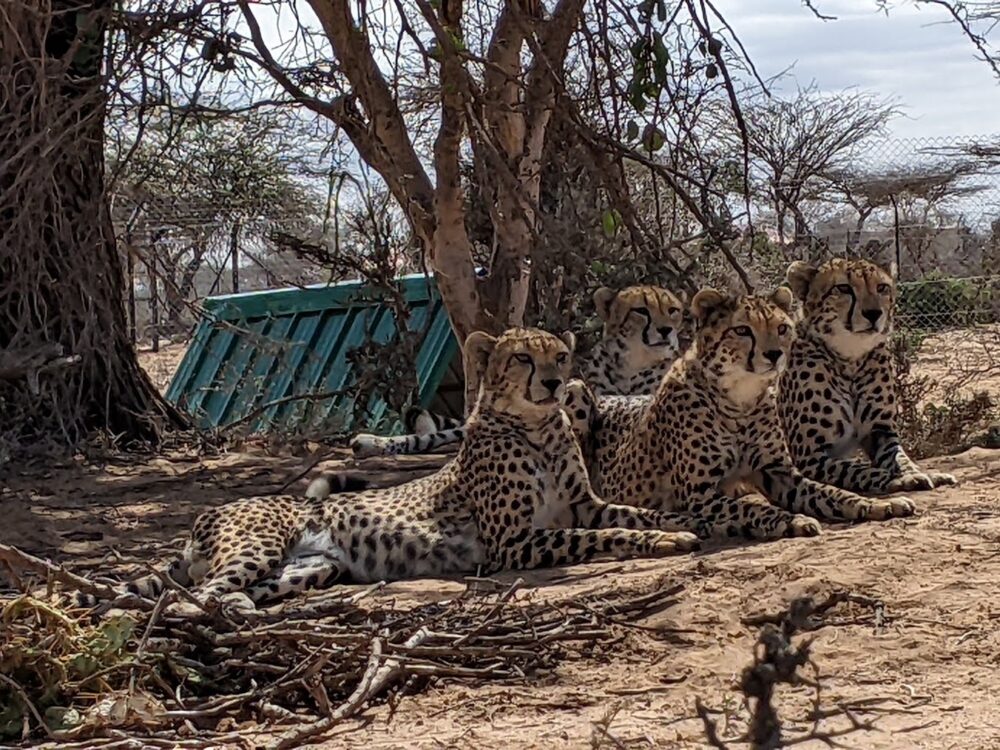
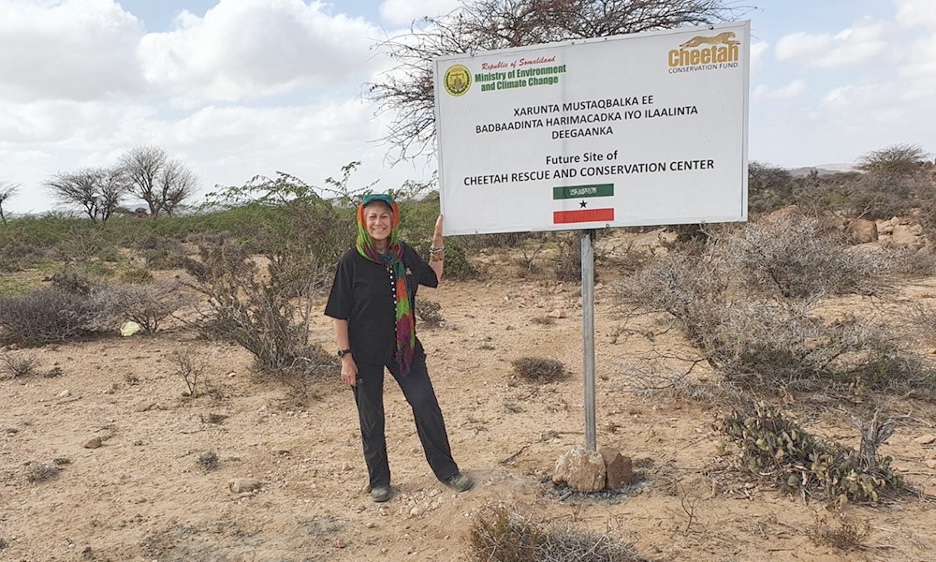
By January 2023, through diligent effort with several partners, the CRCC in Geed-Deeble, was ready to receive the rescued cheetahs from the Safe Houses in Hargeisa’s, providing the cheetah a more natural environment.
Since, the Centre has expanded and now include:
- Large Natural Enclosures: Spacious, predator-proof enclosures that simulate wild habitat, allowing cheetahs to roam, exercise, and socialize naturally (5-12 acres enclosures)
- Veterinary Clinic: Fully equipped for routine health checks, emergency care, surgery, and treatment for injured or ill cheetahs.
- Research Facilities: Office and research spaces for ongoing monitoring, data collection, and scientific studies supporting cheetah conservation.
- Wildlife Observation & Monitoring: Staff and researchers conduct daily health assessments, behavior monitoring, and data collection to inform conservation strategies.
- Education & Community Outreach Area: Space for educational programs and community engagement activities to raise awareness about cheetah conservation and human-wildlife coexistence.
- Management & Staff Accommodations: Housing, Dorms and common areas.
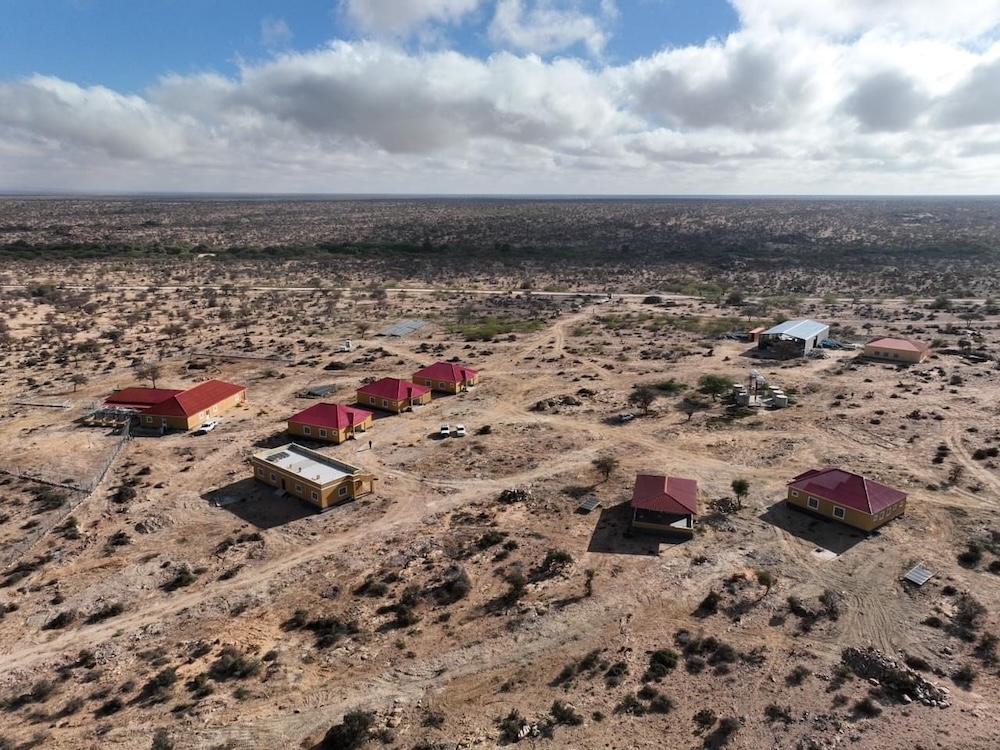
CRCC is situated on an 1,800-acre forest reserve located in Geed-Deeble, Somaliland, about a one-hour drive from Hargeisa. It is adjacent to a future National Park, the first of its kind in Somaliland.
The CRCC is modelled largely by the CCF Centre in Namibia, aimed at being a conservation and education resource and in the future, a destination for conservationists and other scientists, educators and students and volunteers, among others. CCF envisions CRCC as a vital training hub for the next generation of Africans in leadership roles.
As CCF continues to align their efforts to the United Nations’ Sustainable Development Goals, the work at the CRCC contributes to Goal 15 “Life on Land” by striving to eliminate poaching and trafficking of protected species through enhanced surveillance and protection measures, conducting anti-poaching patrols and working closely with law enforcement agencies.
Join Us in the Fight
Together, we can stop the illegal trade and give cheetahs a fighting chance to thrive in the wild. Every contribution, awareness effort, and action make a difference.