Understanding Predation’s True Cost to Namibian Rural Farmers
-
- by Cheetah Conservation Fund Canada August 24, 2026
Exploring the hidden economics of human-wildlife coexistence in rural Namibia
For visitors driving through the vast, golden landscapes of rural Namibia, a goat grazing near a homestead might seem like a simple, everyday sight. But for the family that owns it, that single animal often represents something far greater: a child’s school fees, an emergency medical fund, a wedding dowry, or the next meal on the table. Understanding this reality is the first step toward understanding why predator conflict remains one of the most pressing challenges facing both Namibian farmers and the cheetahs, leopards, and jackals that share their land.
The Living Bank Account
In communal farming areas across Namibia, formal banking is often inaccessible or impractical. Livestock — and goats in particular — fill this gap. A goat is not merely meat or milk; it is liquid savings on four legs.
A typical goat in Namibia’s rural markets is valued between N$800 and N$2,000, with well-bred breeding stock reaching N$4,000–N$5,000 or more. But these numbers only tell part of the story. To a subsistence farming family, that goat may be the only asset standing between stability and crisis — the difference between paying for a child’s uniform or watching them fall behind in school.
One Loss, Many Ripples
When a predator takes a goat, the damage extends far beyond the animal itself:
🐐 Compounding Loss
The death of a breeding female doesn’t just remove one animal from the herd — it erases every future kid she might have produced. A single loss today can mean a smaller, weaker herd for years to come.
🥛 Nutrition at Risk
For many households, goat milk is a primary source of protein for young children. Losing a milk-producing doe can have an immediate impact on family nutrition, particularly for the most vulnerable members of the household.
📚 Education on the Line
When livestock losses mount, families are often forced into difficult choices — sometimes pulling children from school to help guard remaining animals, or selling off other assets to make ends meet.
❤️ Strained Coexistence
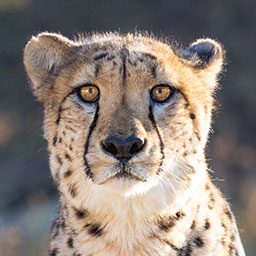
Perhaps most importantly, each loss chips away at tolerance for wildlife. A farmer who has lost several goats to predation in a single season may understandably come to view cheetahs and other predators as a threat to their family’s survival — not as the vulnerable, endangered species that conservationists know them to be.
Why This Matters for Conservation
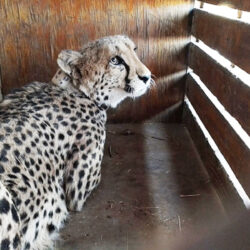
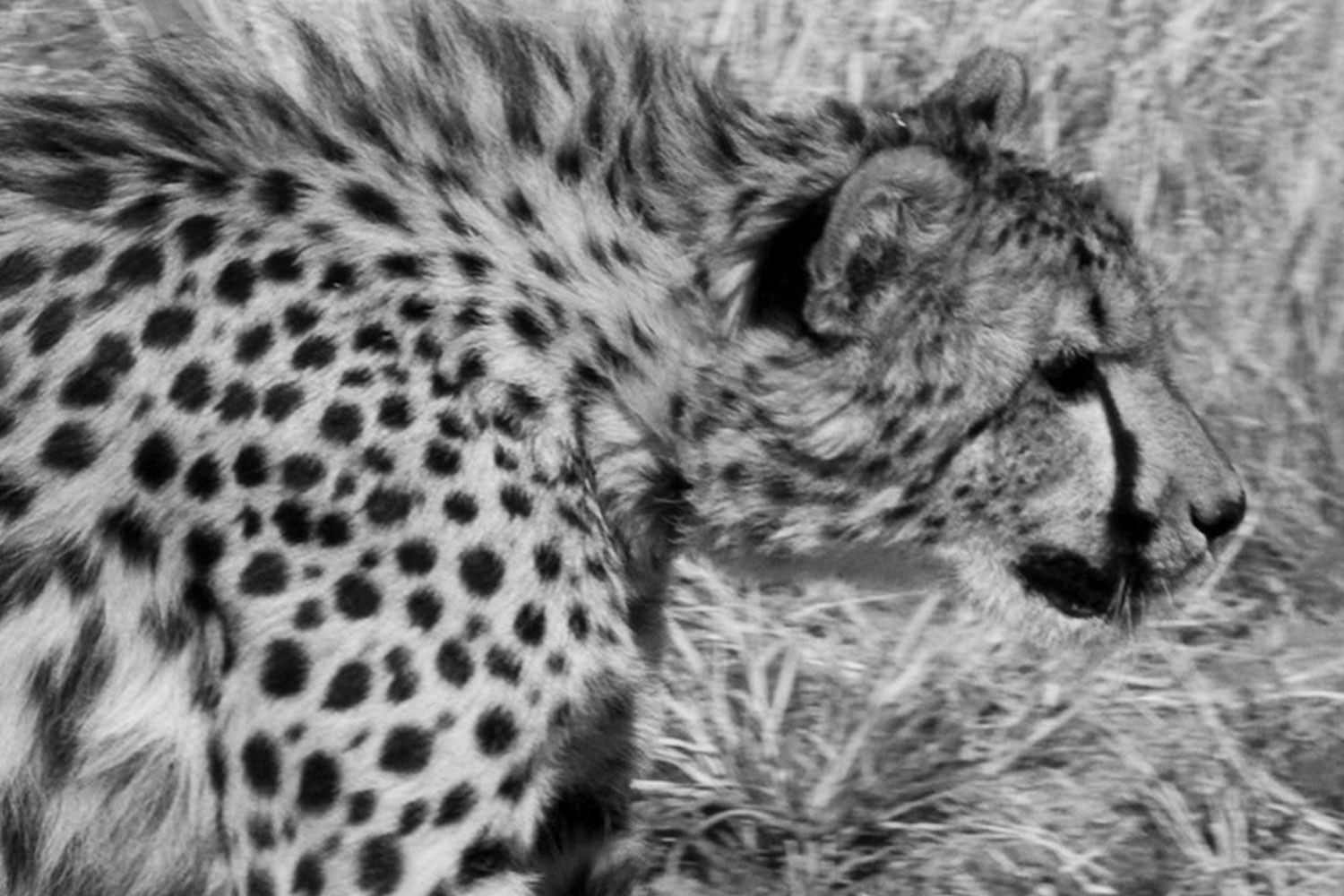
The future of the cheetah depends on the goodwill of the farmers who live alongside. Namibia is home to the largest remaining cheetah population on Earth, and the vast majority of these cats live not in protected reserves, but on communal and commercial farmland.
When we ask a farmer to tolerate the presence of a predator, we are asking them to accept real economic risk — often without a safety net. That is not a sustainable model for coexistence unless it comes paired with practical, effective solutions.
From Conflict to Coexistence
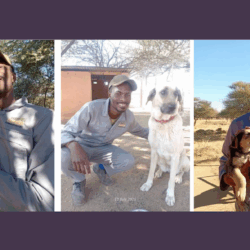
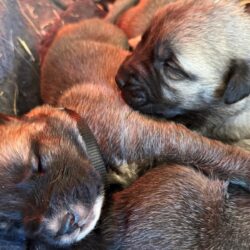
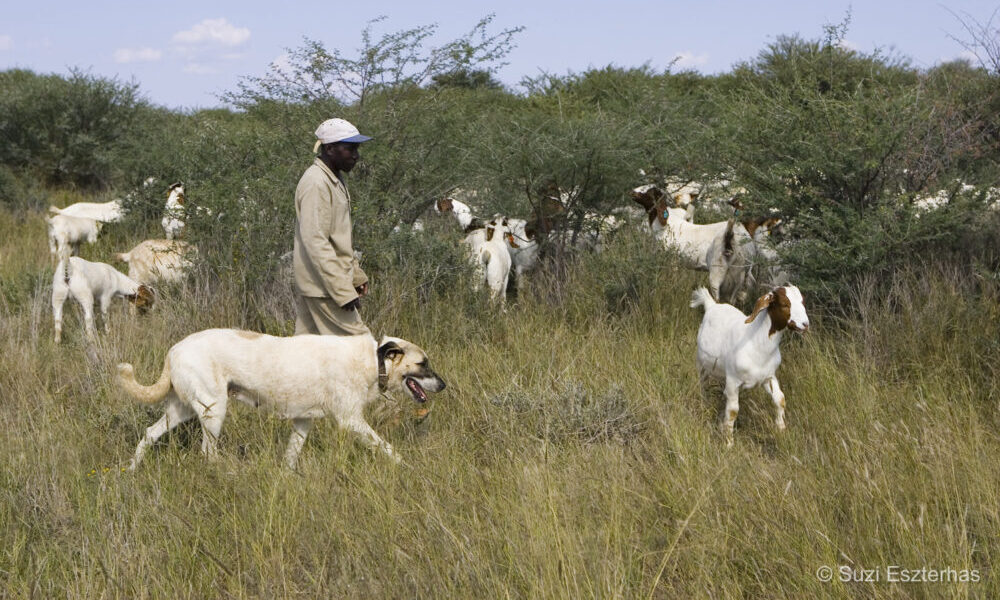
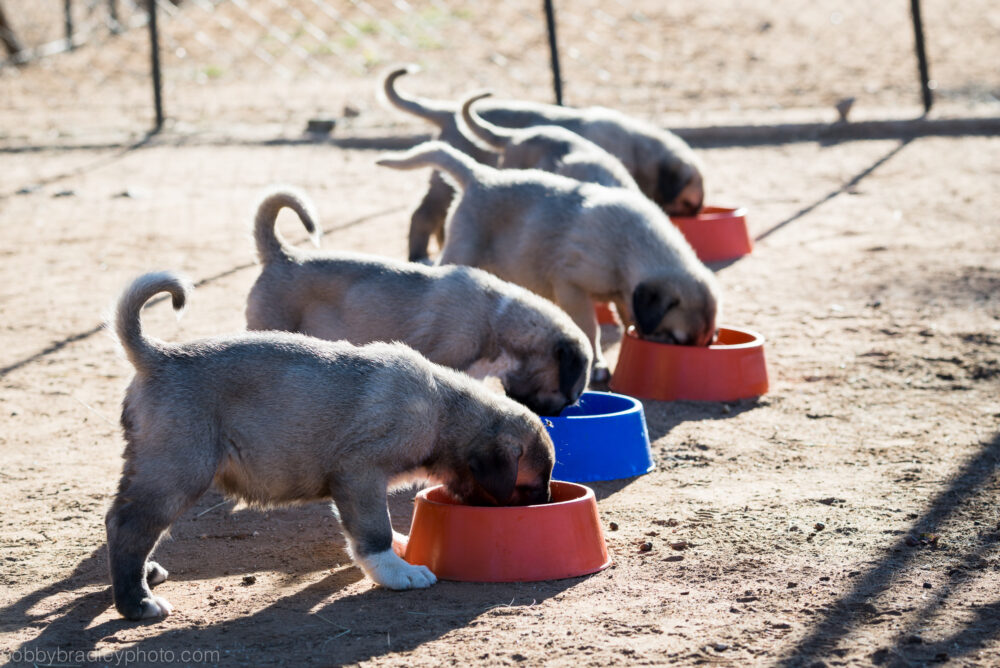
This is why in 1994 CCF launched its livestock guarding dogs (LDG) program combined with training to farmers to improve farming practices including kraaling (enclosure) practices, and community education on the importance of protecting wildlife and their natural habitat. A well-trained Anatolian Shepherd or Kangal, living alongside a herd from puppyhood, can dramatically reduce predation losses — protecting both the farmer’s livelihood and the predator’s life in one stroke. Research has demonstrated that farmers with CCF’s LGD has reduce predation by 90%. When farmers have the tools to protect their herds, the equation changes. A goat lost to predation is no longer an inevitability to be resented — it becomes a rare, manageable risk, and the farmer becomes an ally in conservation rather than an adversary to it.
The Bigger Picture
Every goat saved is more than an economic win for a family — it’s a vote of confidence in coexistence. It’s proof that farmers and predators can share the same landscape without one having to lose for the other to thrive. Understanding the true value of a goat — not just in Namibian dollars, but in school fees, nutrition, and family security — is essential to designing conservation solutions that work with rural communities, not against them. Because in the end, protecting Namibia’s cheetahs means protecting the livelihoods of the people who live beside them.
"Cheetah Tracks" Newsletter Sign-Up
Stay updated on the activities of Cheetah Conservation Fund in Canada, Namibia and Somaliland. We send semi-annual newsletters and info about special events and initiatives. We will not share your email address with any other organization.
Related Reading
-
July 22, 2025
From UNAM Graduate to Livestock Intern in the Field.