2025 CCF Annual Review
-
- by Cheetah Conservation Fund Canada July 20, 2026
Proud to share how the Cheetah Conservation Fund in Namibia and Somaliland, are delivering real, lasting impact for cheetahs and people. CCF’s approach goes far beyond rescue and research—it’s about restoring habitat, rebuilding healthy rangelands, and empowering farmers and herders to thrive alongside wildlife. By linking field veterinary care and orphaned-cub rehabilitation with landscape planning and community training, CCF protects cheetahs while improving rangeland and grassland health and biodiversity across entire ecosystems.
2025 underscored why this integrated model matters. It was a dramatic rescue year: 31 newly confiscated cubs entered care in Somaliland, and CCF supported over 120 rescued cheetahs by year’s end in Somaliland—evidence of both illegal trade pressure and the urgency of professional rehabilitation and anti‑trafficking partnerships.
At the same time in Namibia, CCF advanced solutions that reduce conflict before it starts. By the end of 2025, CCF had reached over 800 Livestock Guarding Dogs placement to date, with 231 actively working —cutting losses and building tolerance for predators. Technology and trust are turning coexistence from aspiration into routine practice: the Predator Early Warning System (EWS) engaged 348 farms in 2025, with 184 actively using the service. By providing GPS‑backed evidence, EWS helps resolve incidents and has prevented retaliatory killings—clear proof that data and dialogue can save wildlife and livelihoods. This work is complemented by better husbandry, participatory training, and market‑based incentives that reward good stewardship. When conflict drops, cheetahs can hunt and disperse; when rangelands recover, herds are more productive and resilient. Field teams also achieved the 10,000th rabies vaccination milestone—critical public and animal health work that protects communities while safeguarding carnivores.
Capacity‑building remained front and center. CCF completed a new Education & Training Centre at the Cheetah Rescue & Conservation Centre in Somaliland, growing a pipeline of local talent—rangers, vets, educators, and community leaders—who will sustain progress long after single projects end. CCF also expanded outreach and visibility, hosted 17,161 visitors at CCF Namibia and welcomed the international CONGEN genetics conference, reinforcing its role as a global research leader.
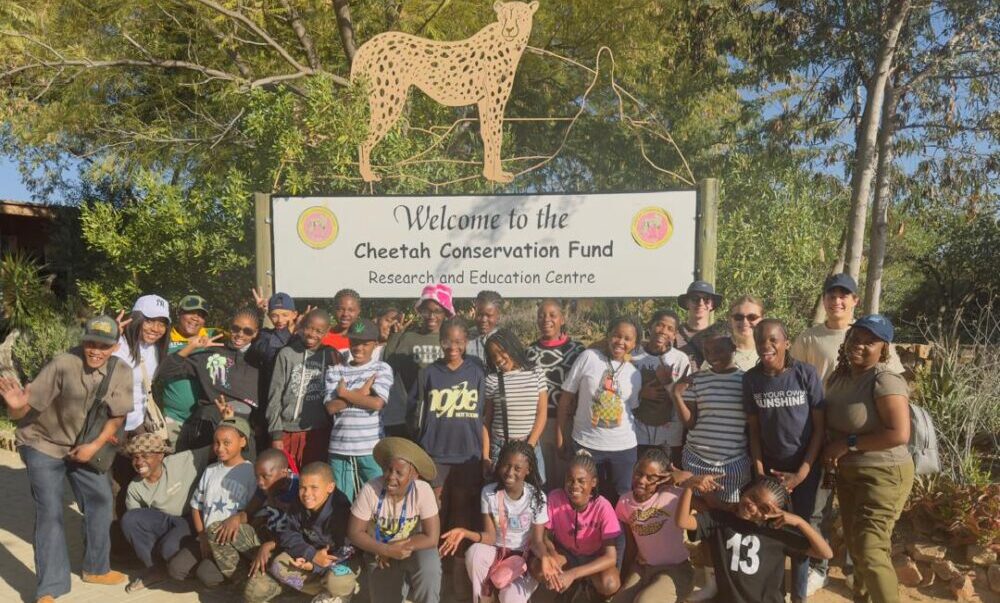
On the ground, education and community programs continued to scale practical impact: 18,498 Namibian learners and 632 teachers engaged through education programs; 980 farmers and community members trained through the Future Farmers of Africa program; and 47 international interns plus 5 student groups hosted to build skills for the next generation of conservation leaders. Behind every number are real stories: rescued cubs stabilizing in expert care; farmers reporting calmer herds and fewer losses; students learning that healthy ecosystems are the foundation of rural opportunity.
If you care about solutions that work—for wildlife and for people—CCF’s 2025 results show what’s possible when science, community, and technology pull in the same direction. Protecting cheetahs means protecting rangelands, reducing risk for farmers while improving livelihoods, and creating economic pathways tied to thriving landscapes. That’s not just conservation—it’s resilience building for a sustainable future for wildlife, people, and the land.
More details can be found here.
"Cheetah Tracks" Newsletter Sign-Up
Stay updated on the activities of Cheetah Conservation Fund in Canada, Namibia and Somaliland. We send semi-annual newsletters and info about special events and initiatives. We will not share your email address with any other organization.
Related Reading
-
January 20, 2026
How Your 2025 Support Helped !