Tupuka’s Wild Life
-
- by Malee Oot November 24, 2025
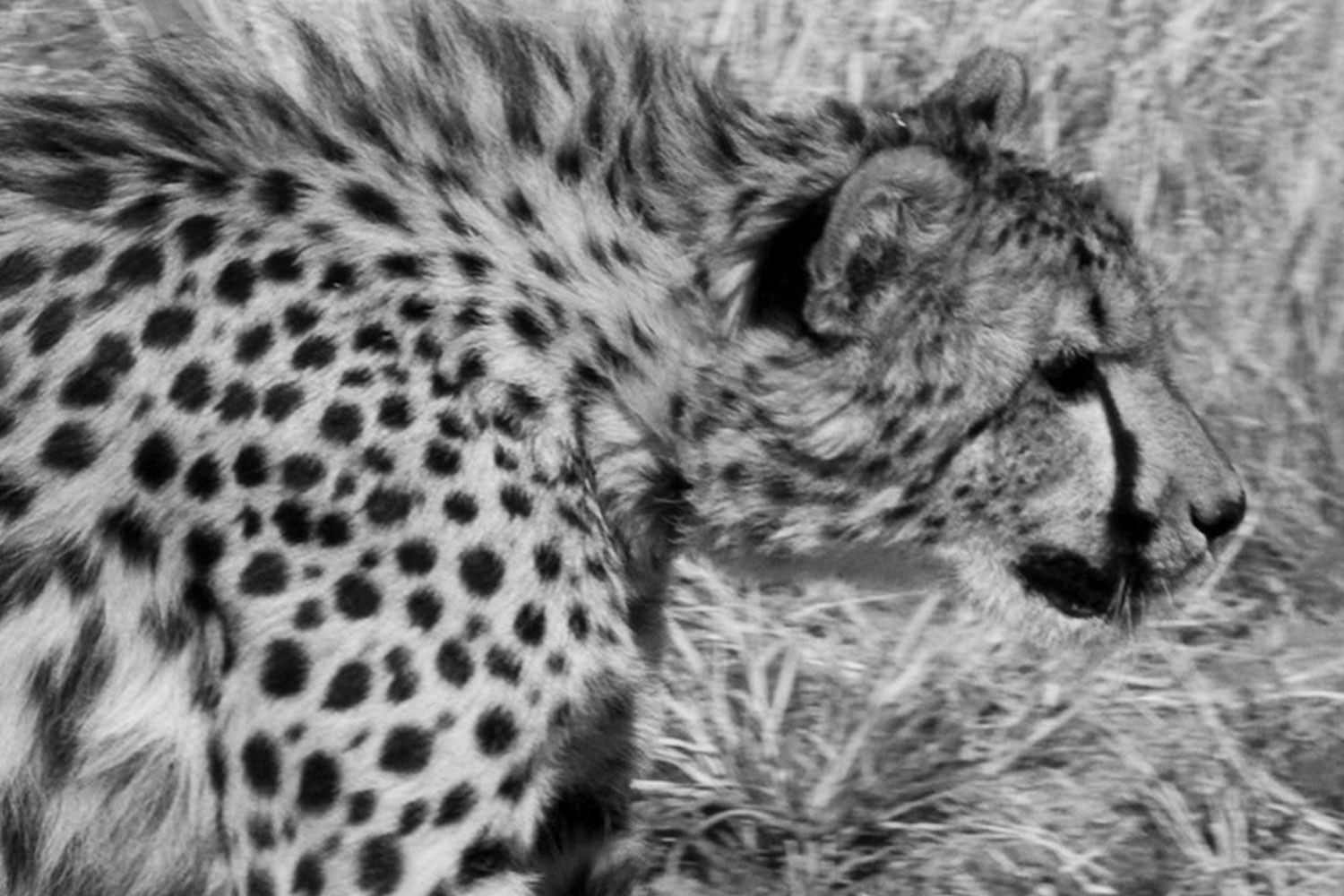
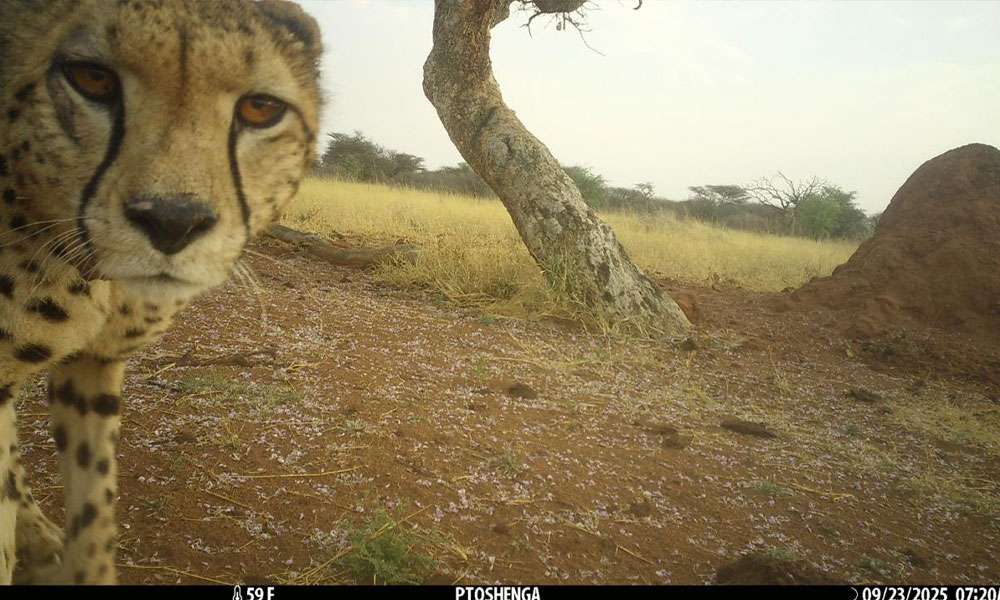
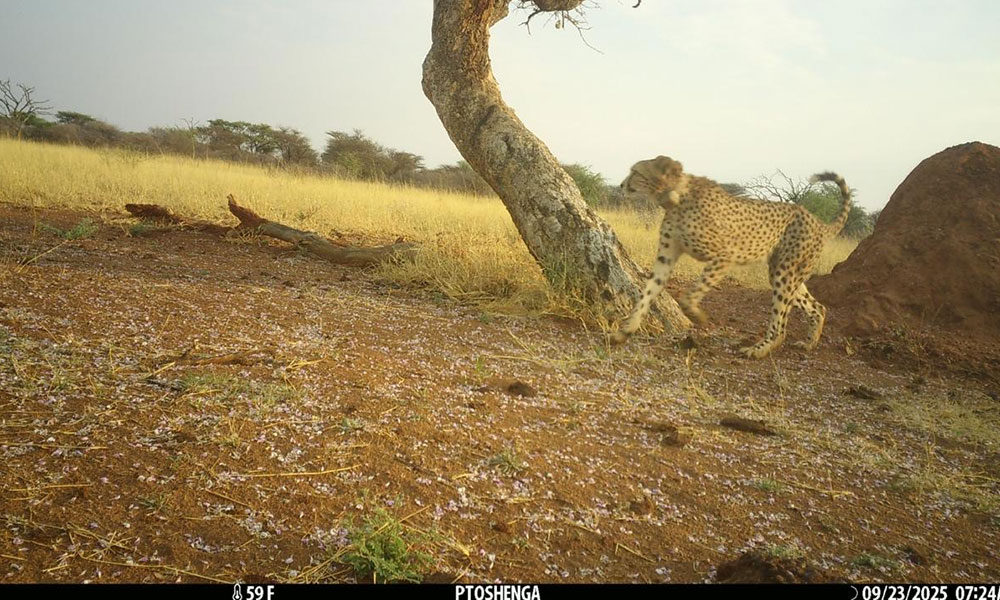
Tupuka isn’t camera shy – in fact, since being returned to the wild in September, he has made several appearances on our camera traps in Namibia while visiting his favorite play tree. For wild cheetahs like Tupuka, these trees are an important part of the landscape. Typically large and easy to climb, play trees offer cheetahs an expansive view of their surroundings, and a way to escape from threats on the ground. Cheetahs also visit these distinctive trees to leave their scent (which involves spraying scat or urine). This marking allows wild cheetahs to communicate – for instance, these olfactory cues are used to mark territory and to advertise dominance or reproductive status.
Who is Tupuka?
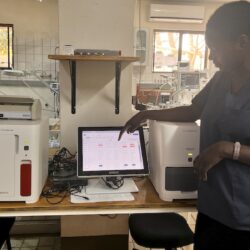
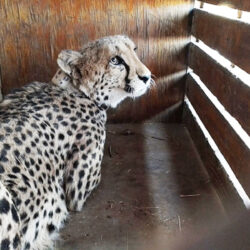
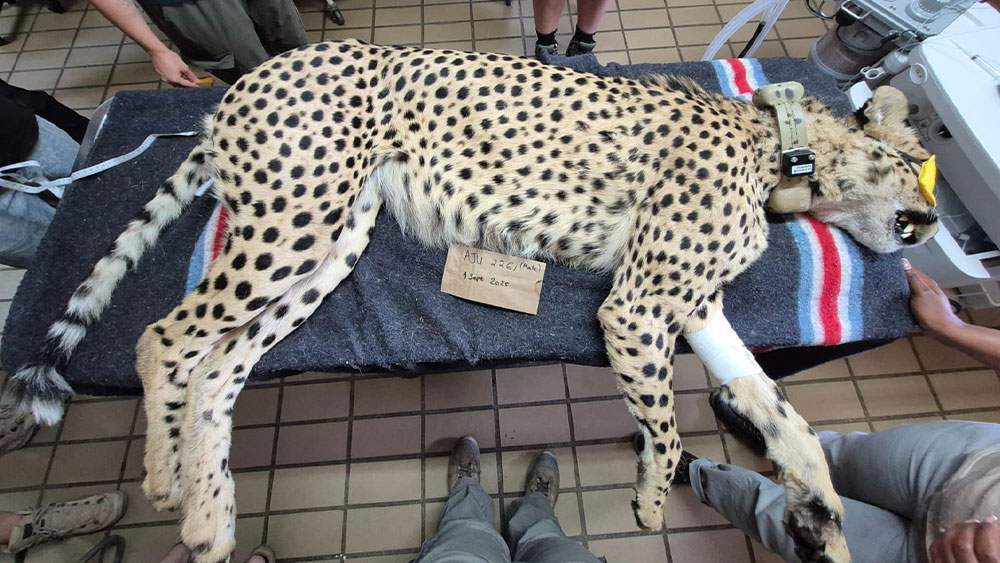
So, who is Tupuka? Estimated to be approximately five-years-old, Tupuka was trapped by a farmer in late August. While Tupuka had only been hunting wild game, he was moving closer to a kraal with the farmer’s calves, and the farmer was concerned. Staff from Cheetah Conservation Fund (CCF) collaborated with the farmer to relocate Tupuka. As part of the process, he was transferred to CCF’s clinic for a medical exam. During the assessment, hair and blood samples were taken, and Tupuka was vaccinated against rabies.
In preparation for his return to the wild, during the medical workup Tupuka was also fitted with a tracking collar – as part of CCF’s Early Warning System (EWS) program. Relying on GPS satellite collars equipped with geofencing functions, the program uses virtual fences corresponding to the boundaries of farms programmed into the GPS unit. Whenever the collar detects a breach, the farmer is alerted. Receiving these early warnings allow farmers to use non-lethal methods to prevent any potential threats to livestock.
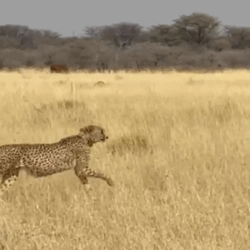
Tupuka was successfully returned to the wild in mid-September. He was released near CCF’s Centre – not far from the farm where he was trapped. The farmer who initially trapped Tupuka was actually the one to name the cheetah – choosing ‘Tupuka,’ which means ‘to run’ in the Herero language. Now that Tupuka has been fitted with a tracking collar, this same farmer is also able to access his local movements in the real time – and proactively address any potential risks to livestock.
Tools for Coexistence
Home to the planet’s largest remaining population of wild cheetahs, Namibia is the ‘Cheetah Capital of the World.’ However, most of the country’s wild cheetahs live outside of official protected areas. Instead, these cats inhabit commercial and communal farmlands, sharing the landscape with humans and domestic animals – just like Tupuka.
In these shared landscapes, reliable remote monitoring – including satellite tracking collars and camera traps – provides essential data on cheetah movement and habitat use. When combined with farmer participation in training and reporting, this remote monitoring also enables real-time conflict prevention and helps to advance conservation science. In ecosystems shared by humans and wild cheetahs – like Namibia’s communal and commercial farmlands – this technology is also helping reintroduced cats like Tupuka successfully reintegrate and coexist.
Related Reading